


CONTRIBUTION
Research
UI/UX
INDUSTRY
Data privacy
PLATFORM
Web Responsive
STATUS
Private (Live)
BACKGROUND
Data Subject Access Requests (DSARs) have become increasingly common following the implementation of privacy regulations like GDPR and CCPA. Organizations struggle with the time-consuming, manual process of locating, compiling, and redacting personal information before delivering it to requesters within strict legal deadlines. The traditional approach involves multiple team members working across various systems, leading to inefficiencies, inconsistencies, and compliance risks.
WHAT WE WANTED TO SOLVE
I was tasked with designing a web application that would transform the labor-intensive DSAR process into a streamlined, semi-automated workflow. The goal was to reduce manual redaction efforts while improving accuracy and ensuring timely compliance with privacy regulations.
DEEPDIVING INTO PROBLEM SOLVING
My research revealed that processing DSARs typically required cross-departmental coordination and multiple manual touchpoints. Privacy teams spent hours combing through documents to identify and redact sensitive information, with high risk of human error.
I analyzed existing workflows to pinpoint bottlenecks, particularly in identity verification, data collection across disparate systems, and consistent redaction practices. Organizations needed a solution that would maintain human oversight while leveraging automation to handle repetitive tasks.
LET'S COOK
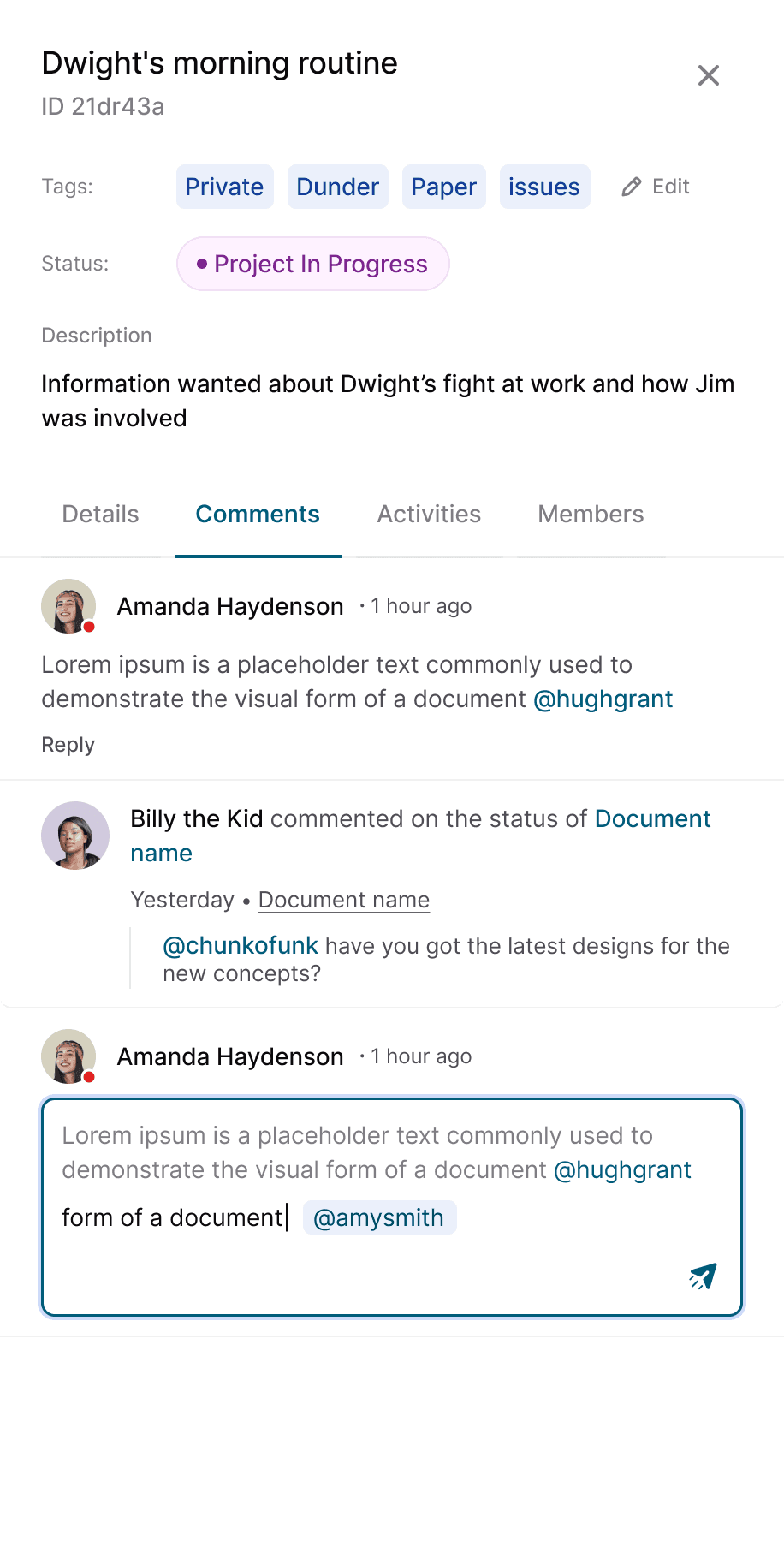
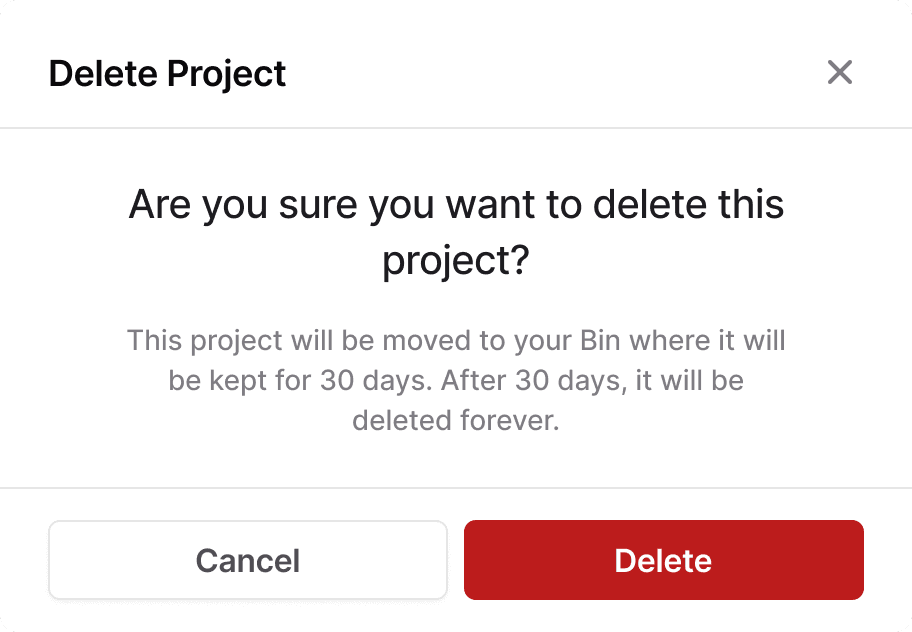
I designed an intuitive interface that guides users through a logical workflow from request intake to final delivery. The verification flow uses secure multi-factor authentication while maintaining a simple user experience.
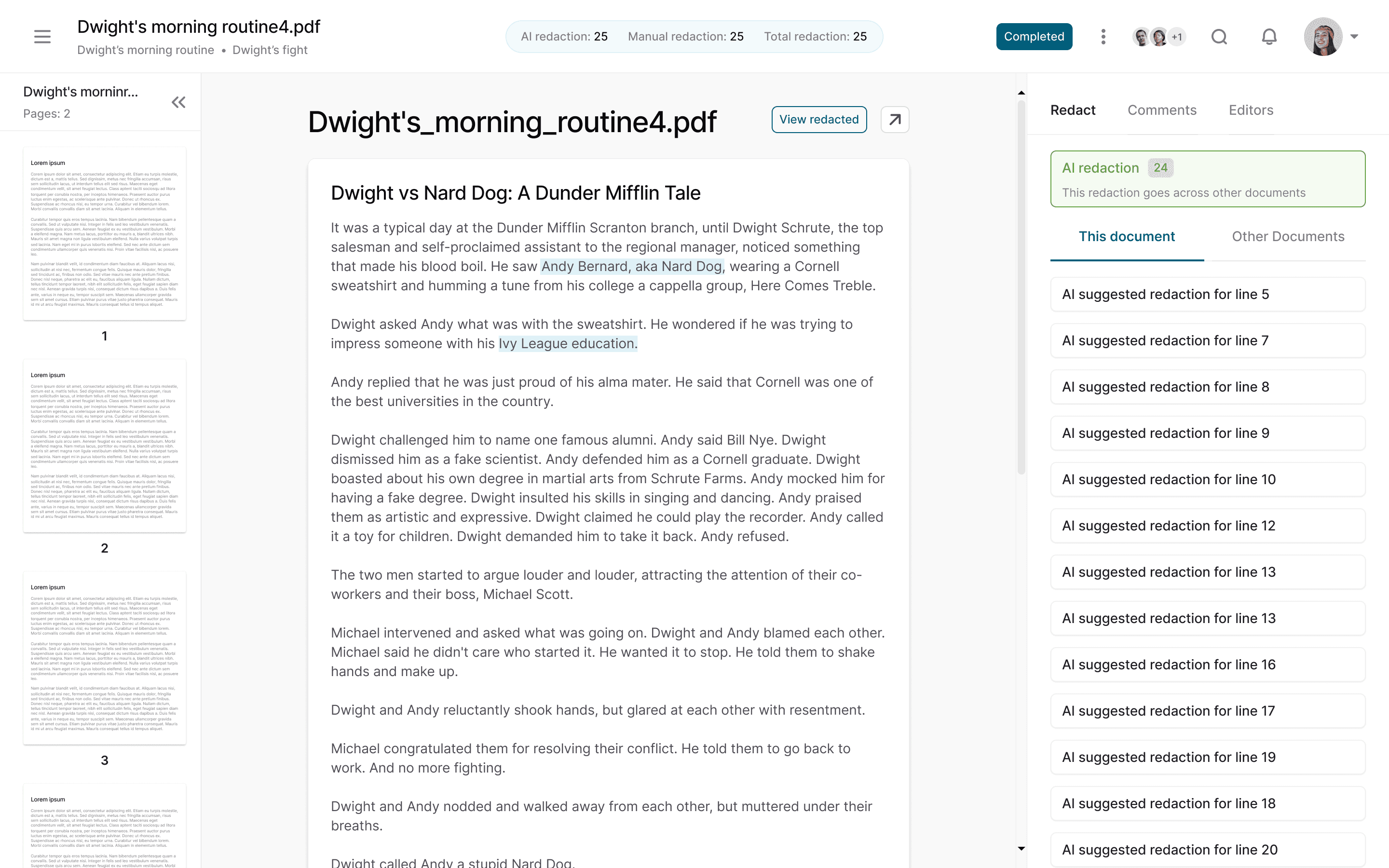
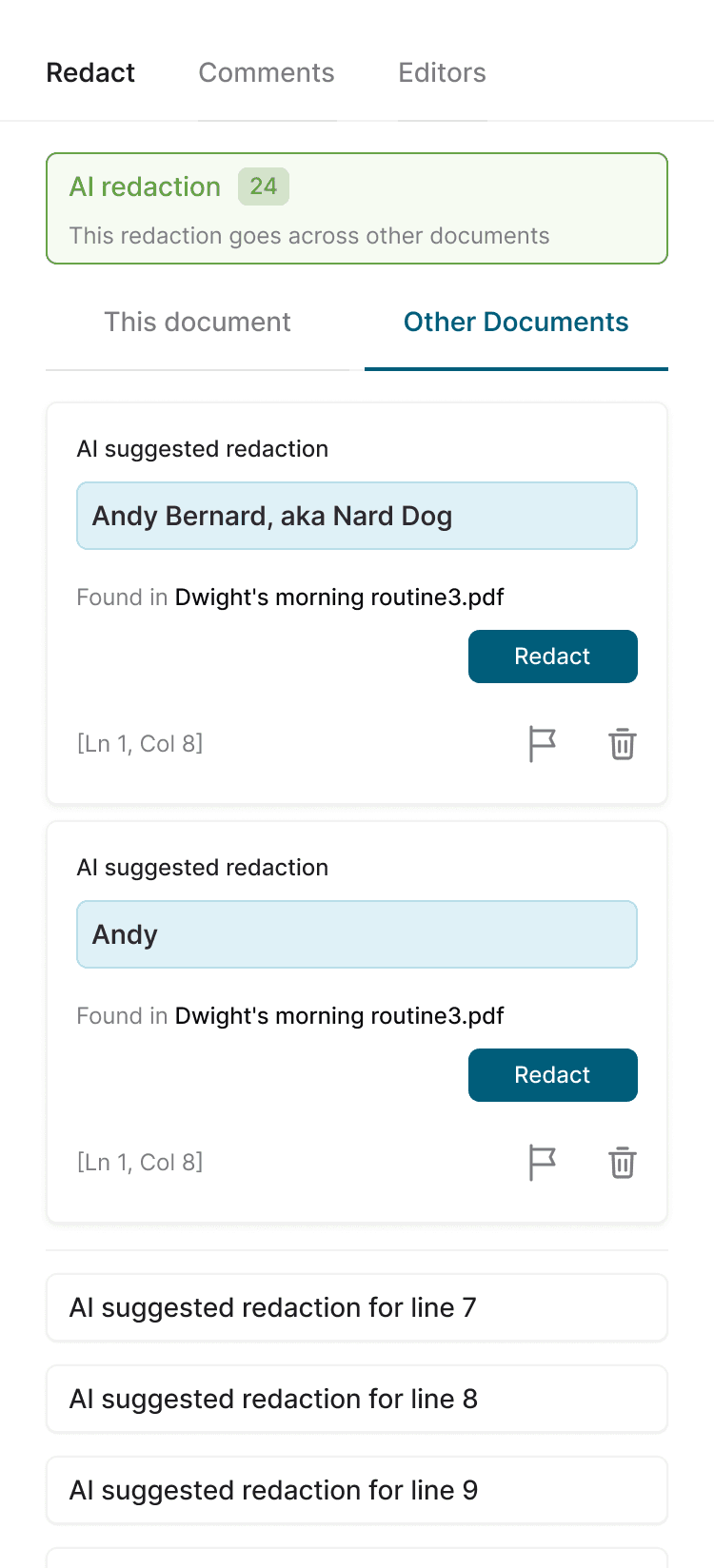
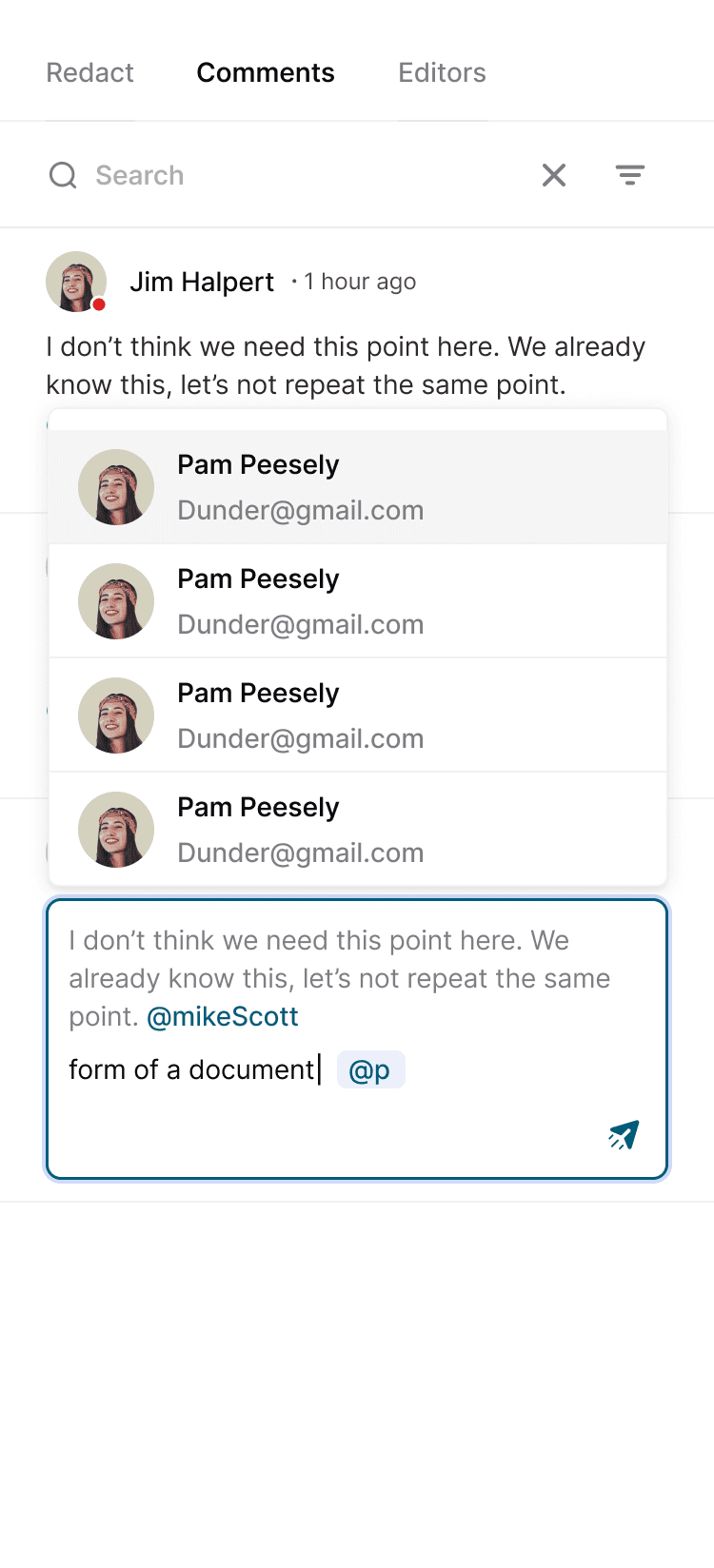
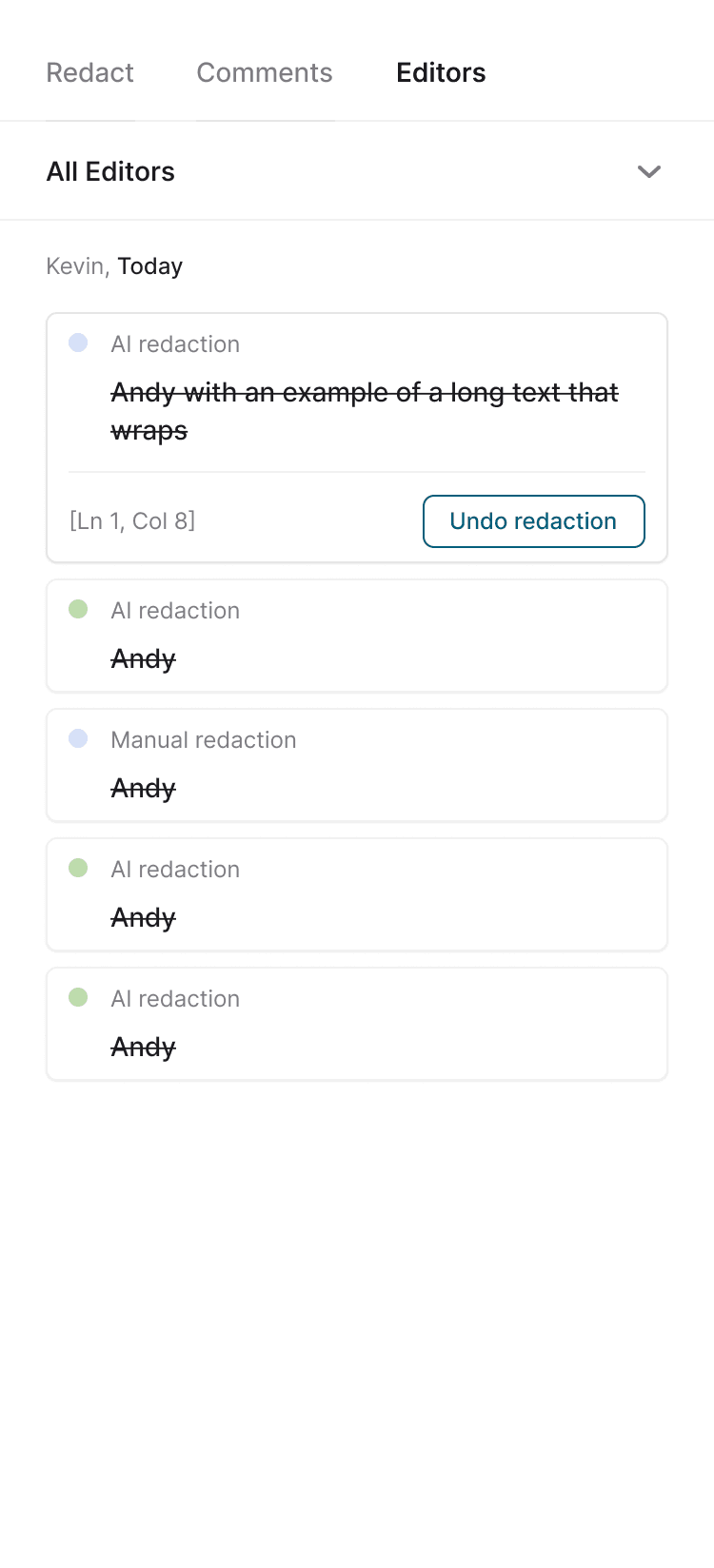
The core innovation was integrating AI for intelligent document processing. I created a review interface where AI highlights potential personal information for redaction while allowing human verification before finalizing.
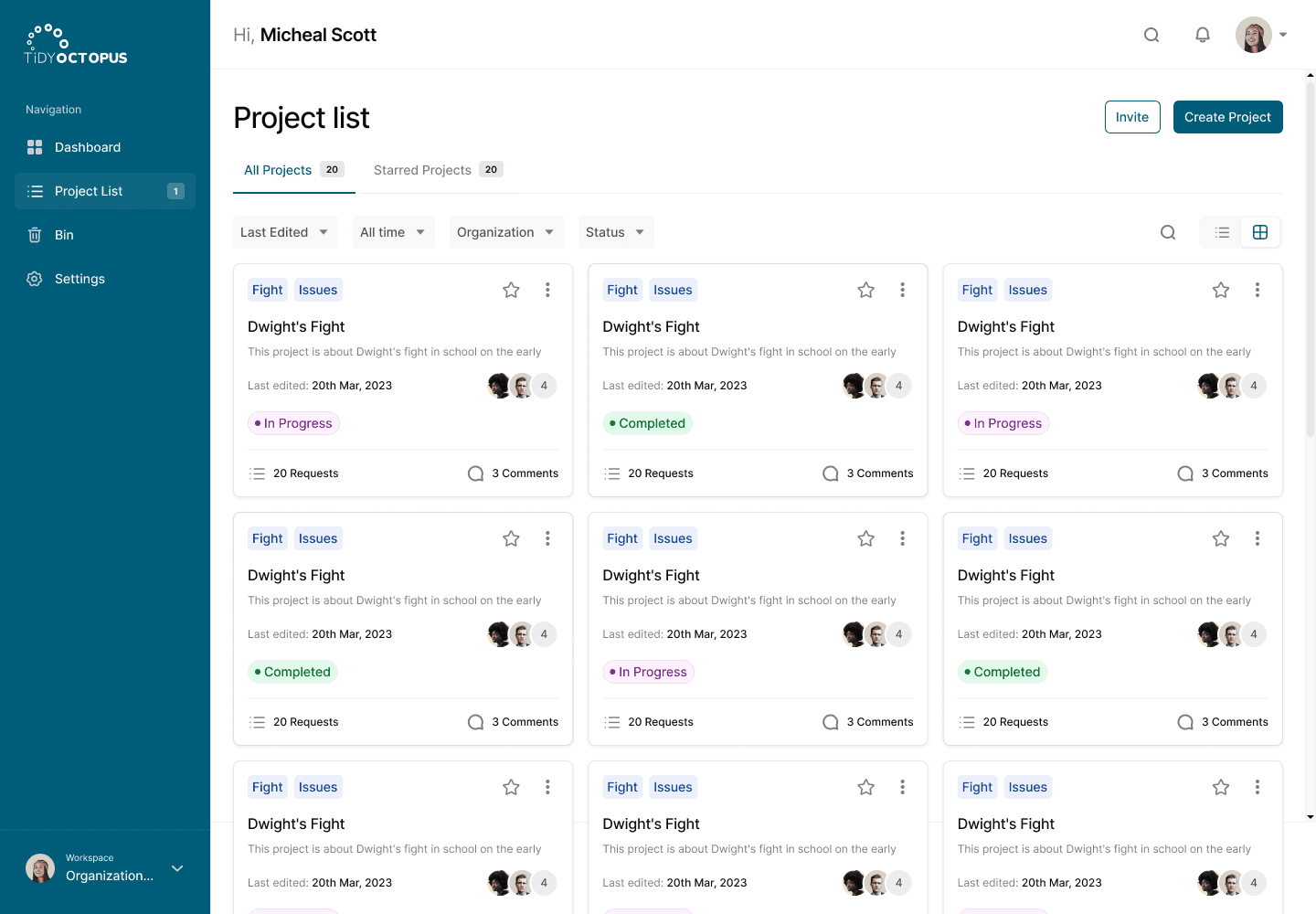
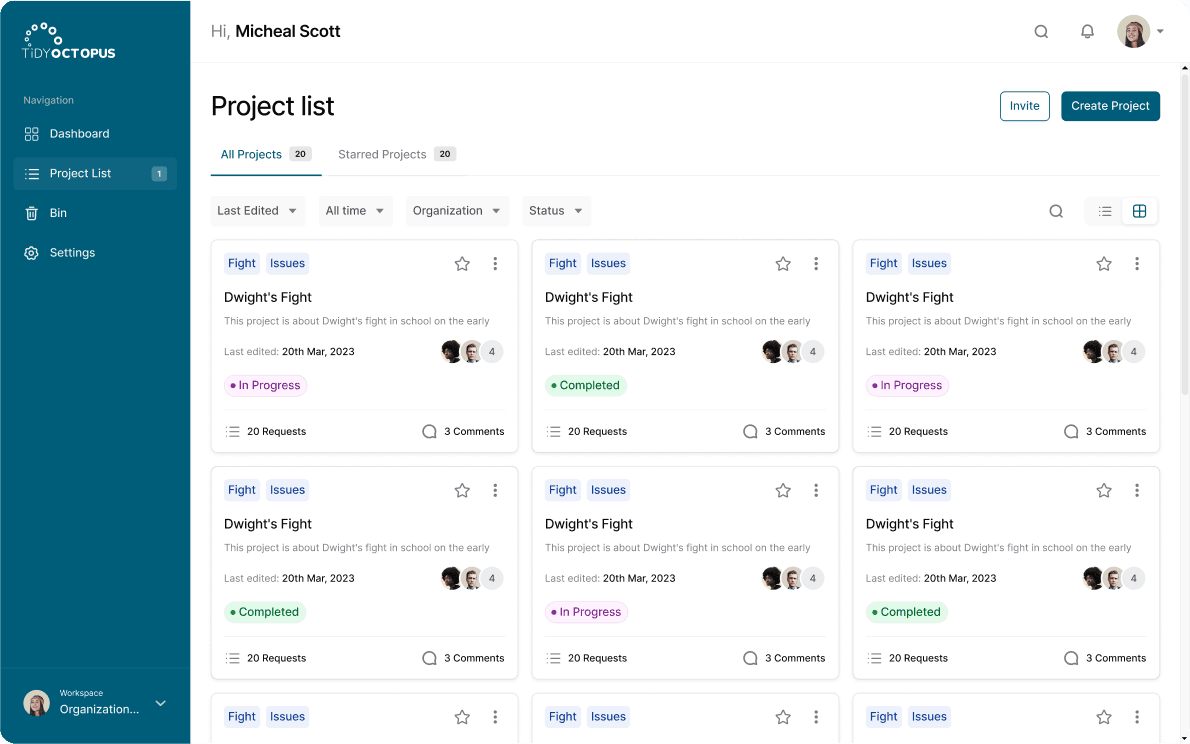
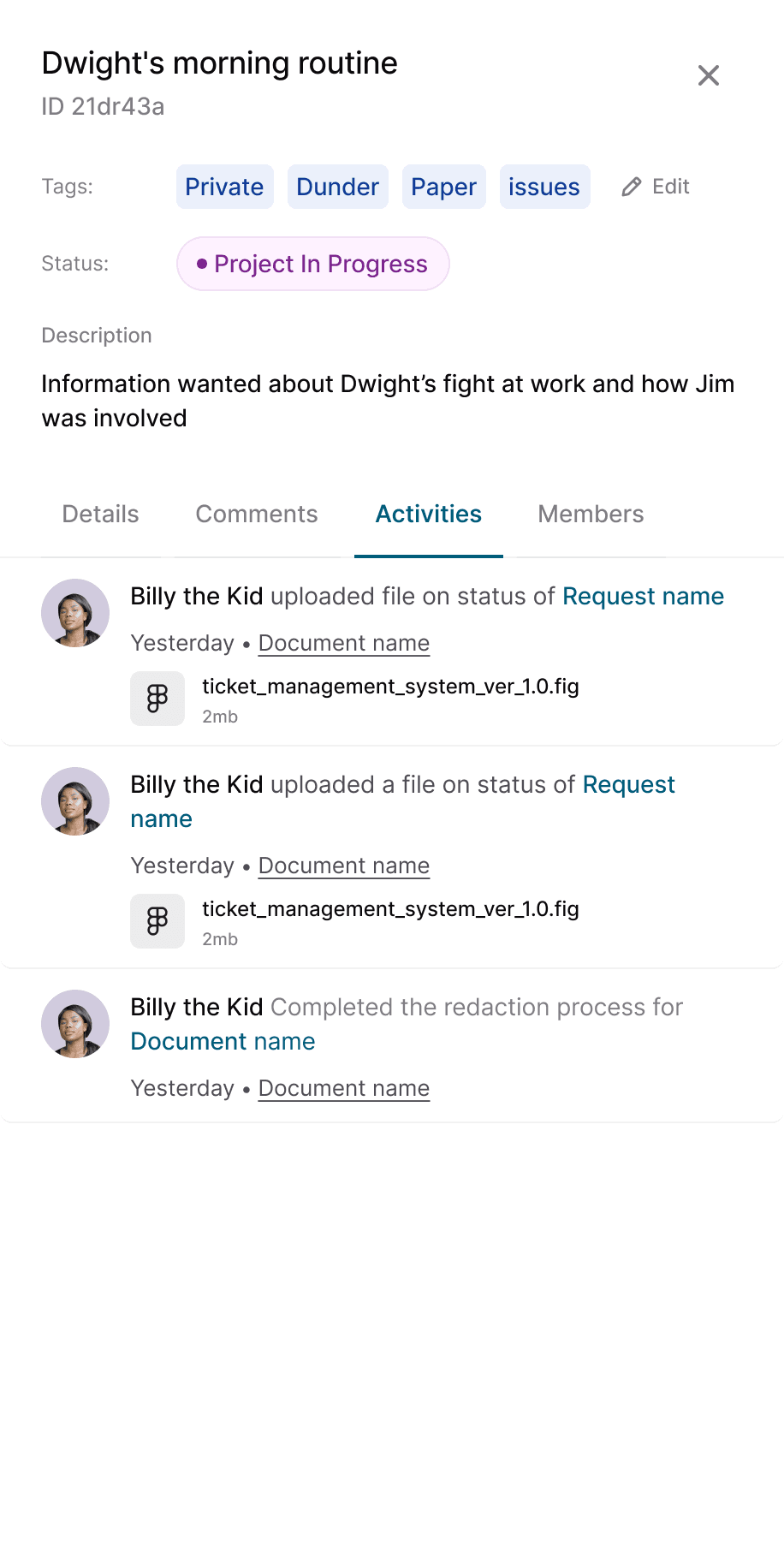
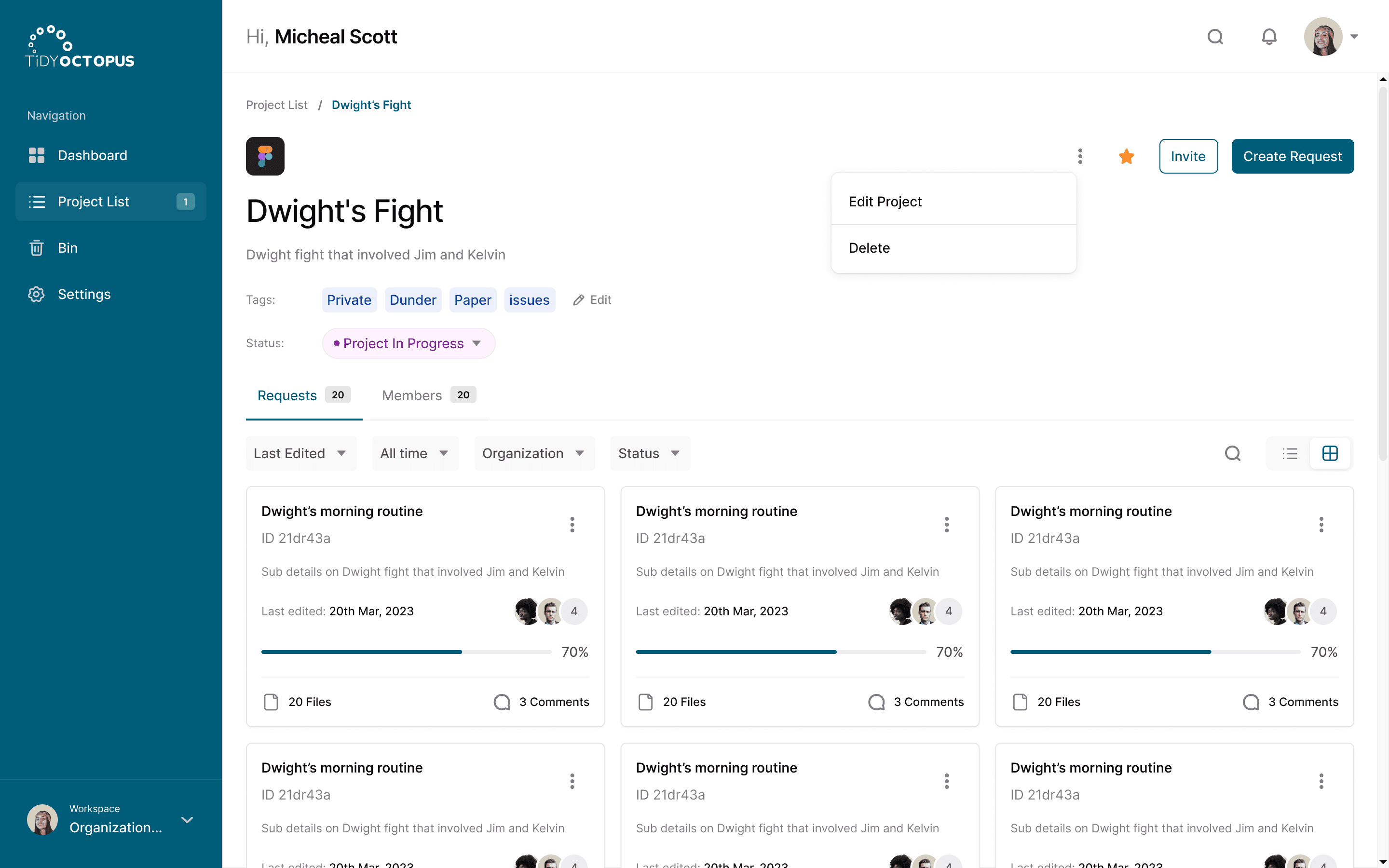
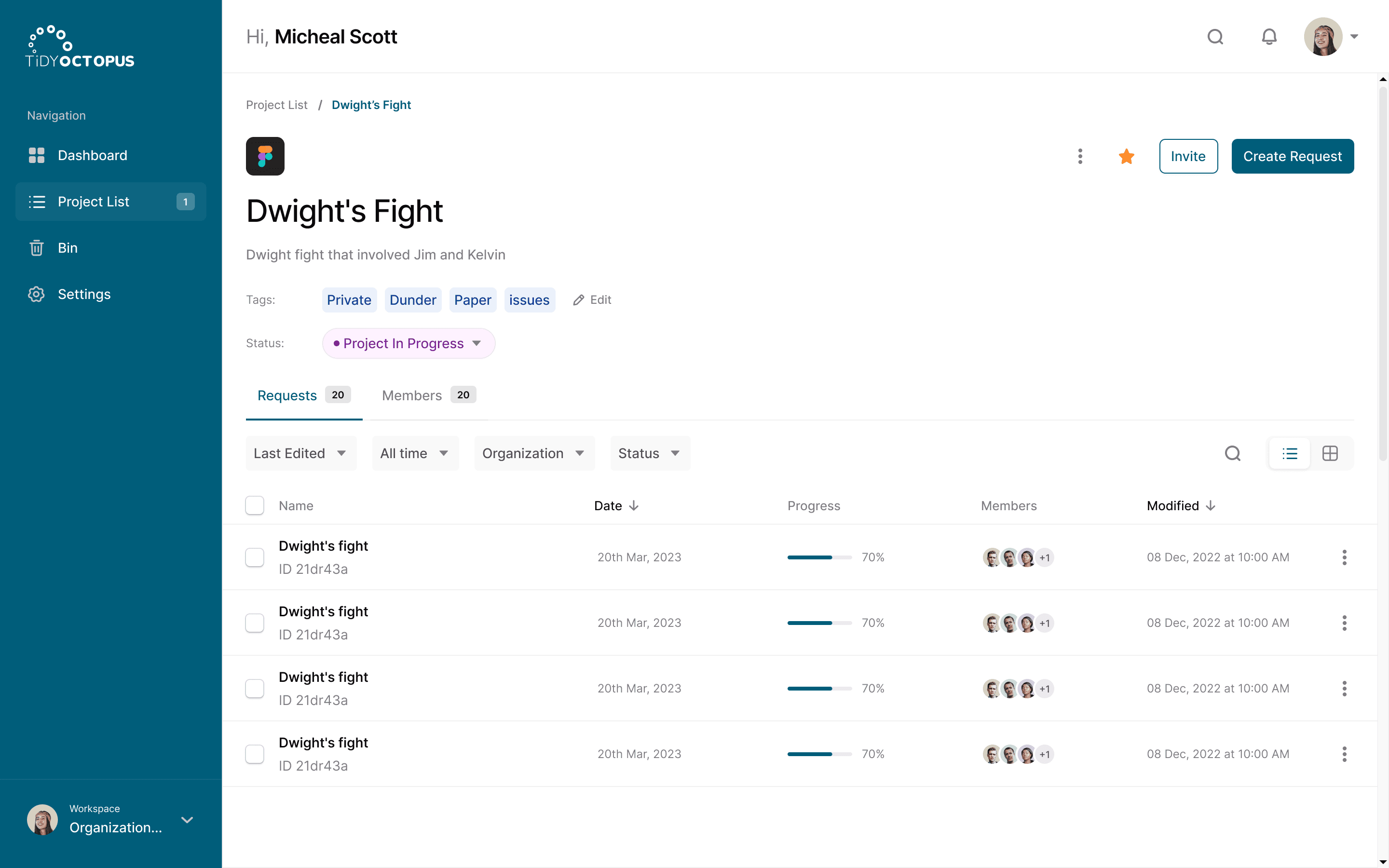
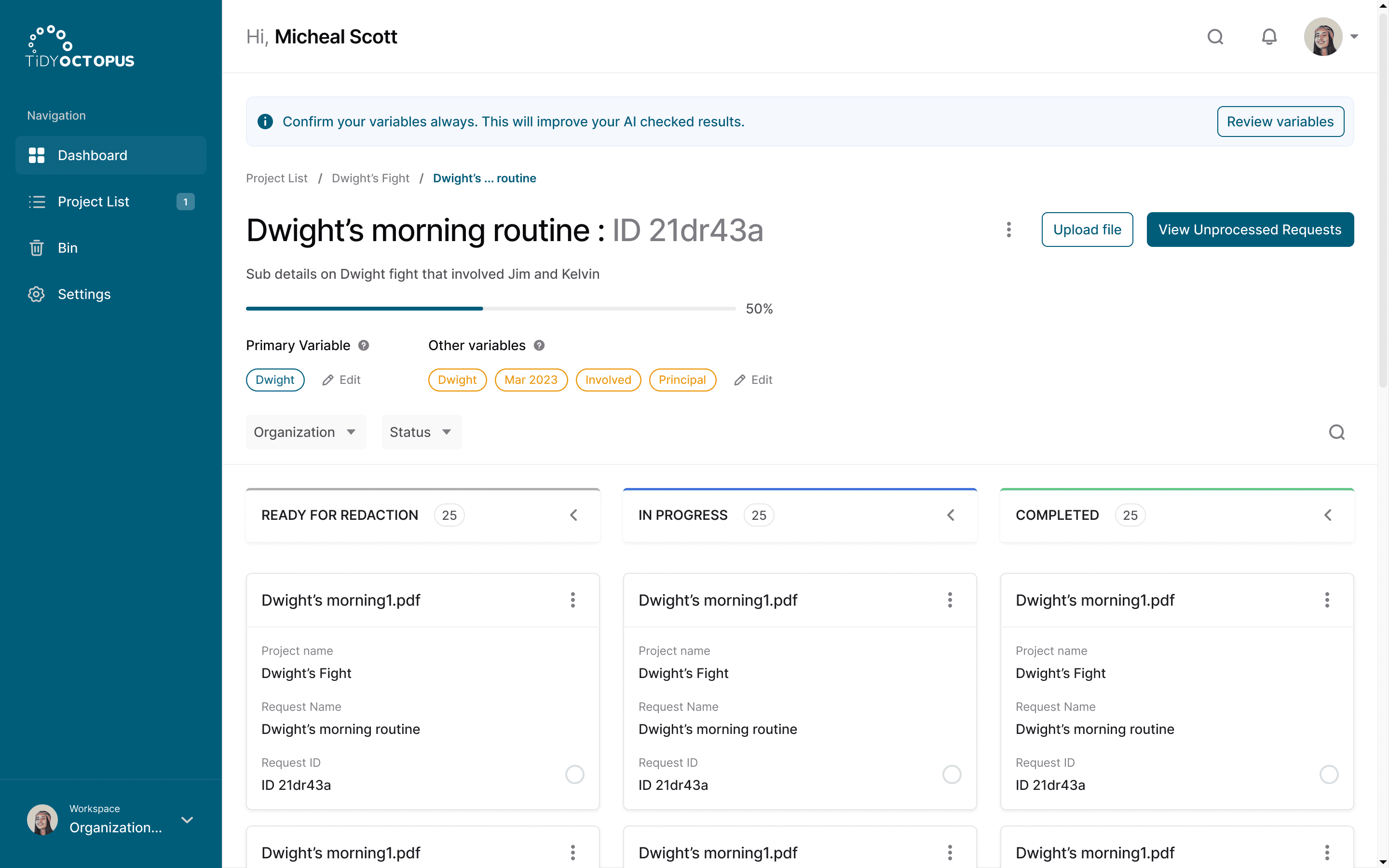
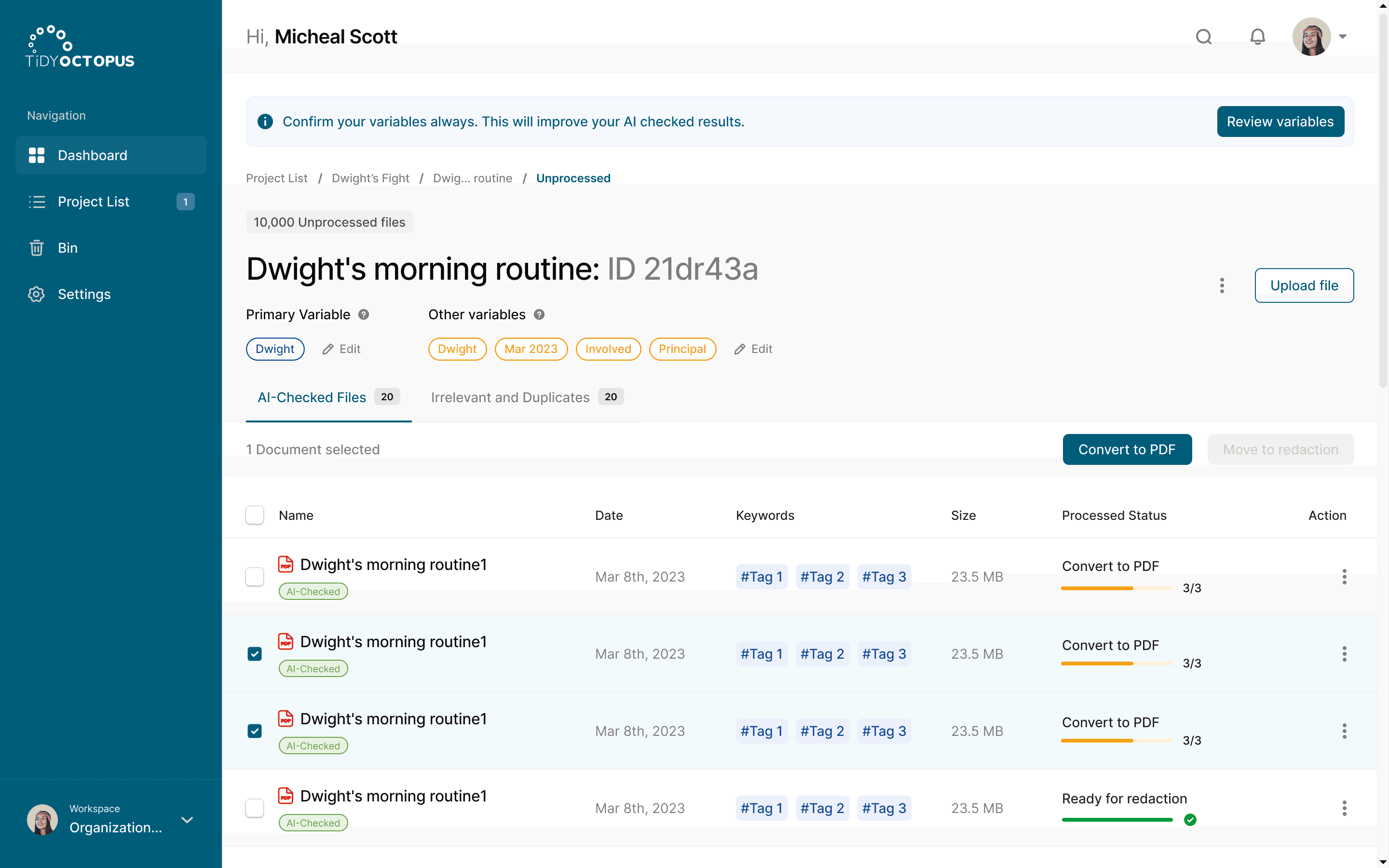
The dashboard presents upcoming deadlines with visual cues for urgency, helping privacy teams prioritize their workload. Each request displays clear progress indicators showing completed and pending actions.
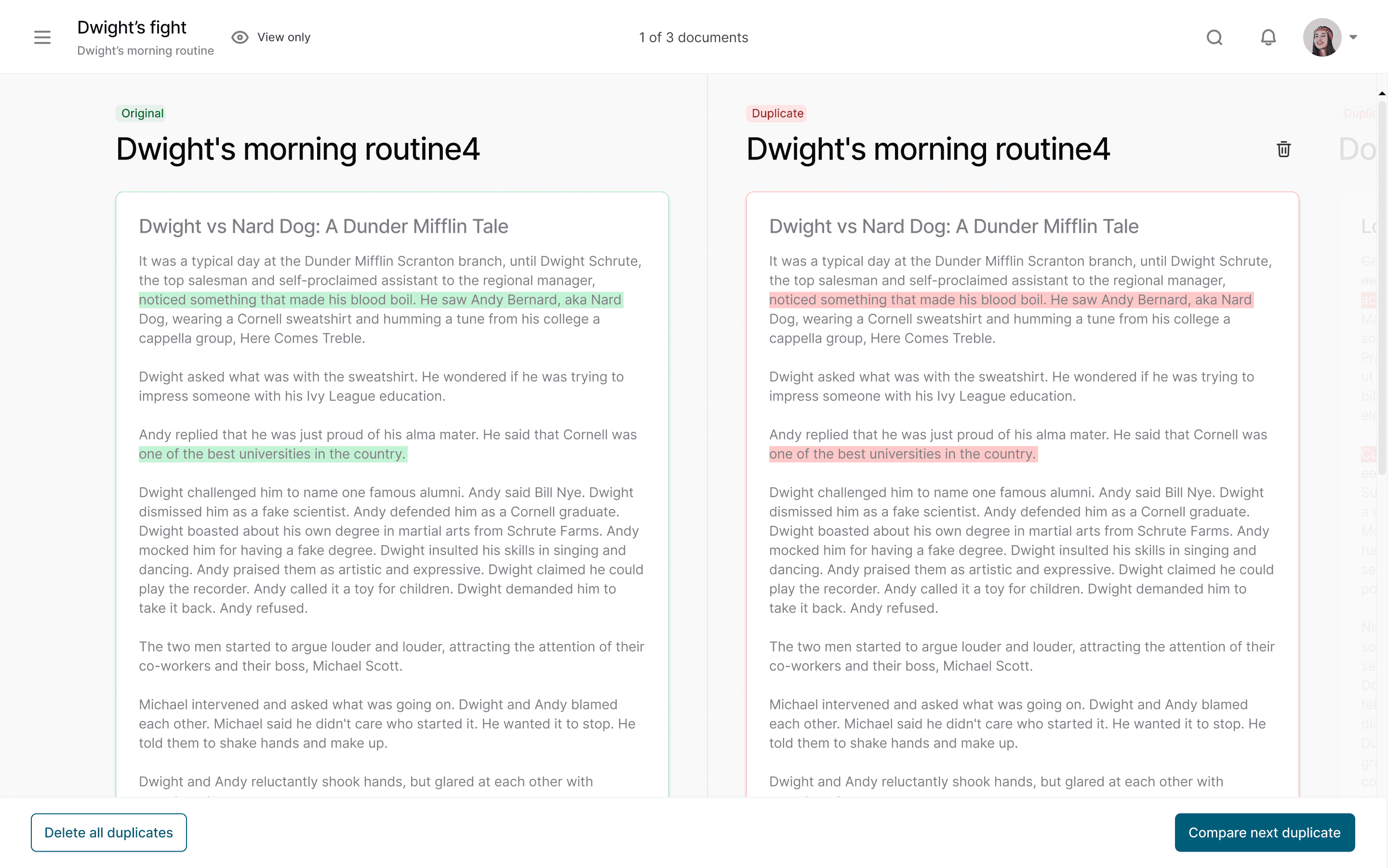
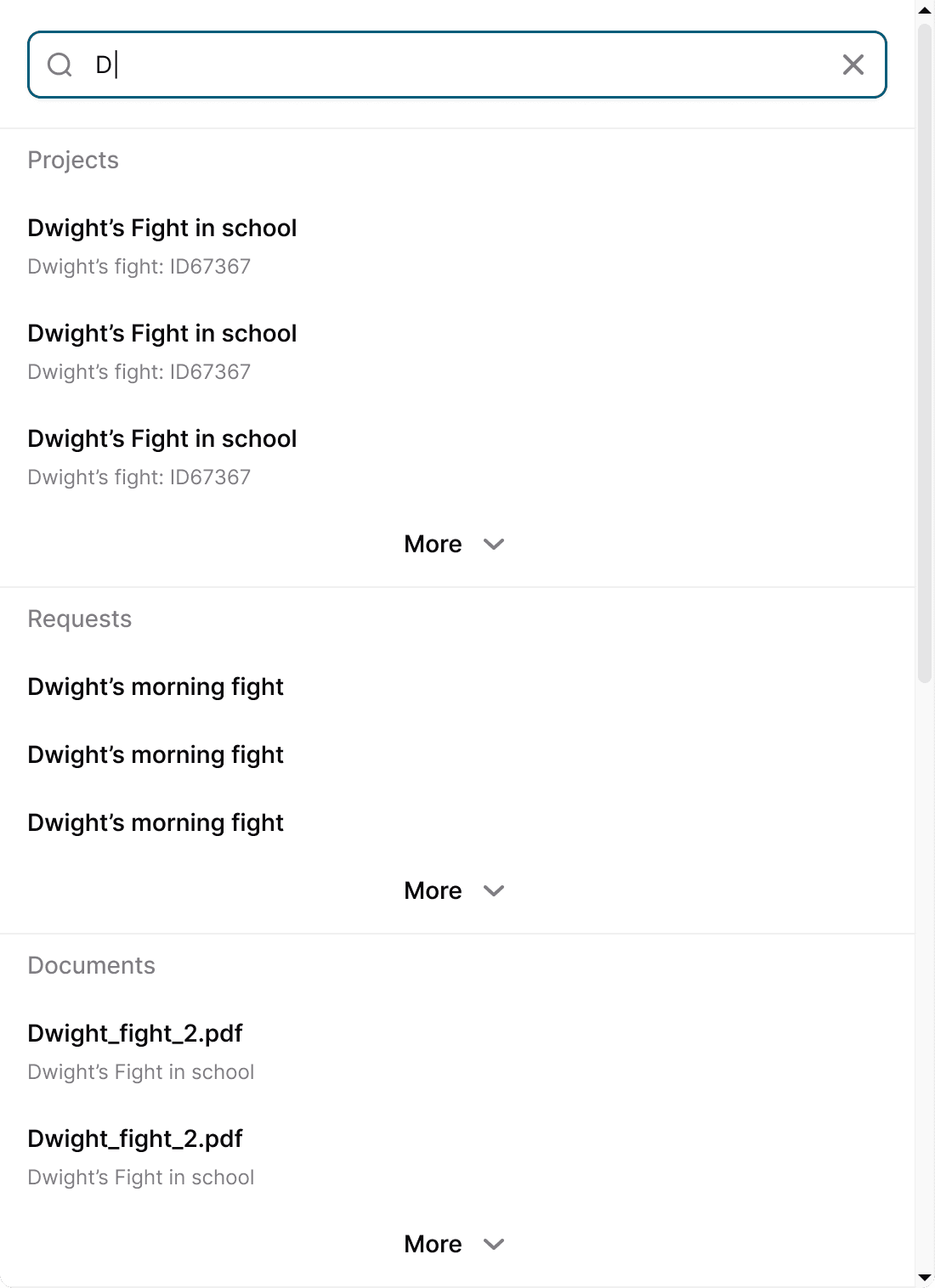
For data collection, I designed a system that interfaces with multiple data sources through a unified search mechanism. This allows users to locate relevant information without switching between systems.
The redaction workflow uses a consistent approach across document types with customizable redaction templates for different information categories. Users can quickly apply standard redactions while maintaining flexibility for unique scenarios.



KEY TAKEAWAYS
The Tidyoctopus DSAR project demonstrated how thoughtful design can transform complex regulatory compliance into a manageable process. By finding the right balance between AI automation and human oversight, we created a system that enhances efficiency without sacrificing accuracy.
The success of this project highlighted the importance of understanding workflows beyond surface interactions. By addressing the end-to-end process from request intake to delivery, we created a solution that genuinely improved both the user experience and organizational compliance posture.