

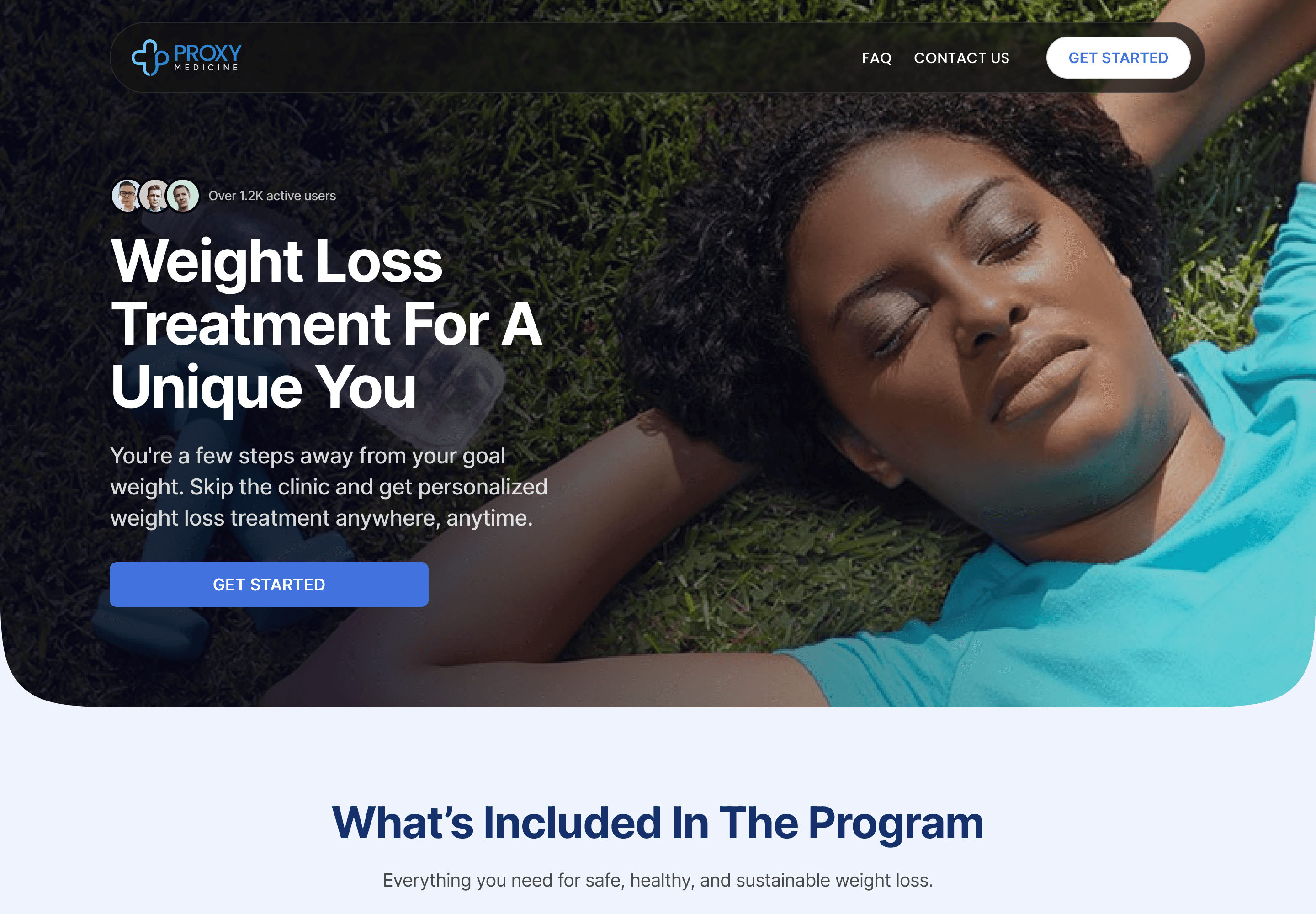
ProxyMed: Reimagining Healthcare
Access in the Digital Age

CONTRIBUTION
Research
Information Architecture
Product Design
Design System
User Journey Mapping
INDUSTRY
Healthcare
PLATFORM
Responsive Web
STATUS
BACKGROUND
In a healthcare landscape where accessibility remains a challenge for many, ProxyMed emerged as a solution to transform how patients connect with medical services. The traditional healthcare model often involved lengthy wait times, complex scheduling processes, and disconnected patient journeys—particularly for specialized services like weight management programs and urgent care needs.
I joined ProxyMed at a crucial inflection point. The company had developed a strong foundational concept but needed a cohesive, patient-centered design approach to bring their vision to life. My role was to create an intuitive digital platform that could accommodate multiple patient flows while maintaining simplicity for both first-time and returning users.
WHAT WE WANTED TO SOLVE
When I first dove into this project, I identified several critical pain points that needed addressing:
Fragmented Patient Journeys: Patients seeking different types of care (weight loss, urgent care, medication refills) were experiencing disconnected processes that didn't feel like part of a unified health system.
Complex Scheduling: Many patients were frustrated by the lack of transparency in appointment availability and the multiple steps required to secure a consultation.
Payment Friction: The existing payment process created unnecessary barriers that led to high abandonment rates during the scheduling workflow.
Inconsistent Follow-up: Without a clear system for ongoing engagement, many patients—especially those in long-term programs like weight management—were falling out of their care plans.
Our primary mission: create a healthcare platform that eliminated these barriers while providing a seamless experience across different patient needs and scenarios.
DEEPDIVING INTO PROBLEM SOLVING
Understanding Our Users
I began by conducting extensive research to understand the different user types and their unique needs:
First-time Patients: New users with varying levels of digital literacy who needed clear guidance through each step of their healthcare journey.
Returning Patients: Users familiar with the platform who valued efficiency and quick access to their ongoing care plans.
Healthcare Providers: Clinicians and administrators who needed efficient tools to manage patient interactions and maintain quality care.
Through interviews with 35+ potential users across demographics, I discovered several key insights:
USER FLOW: MAPPING THE PATIENT JOURNEY
I developed comprehensive user flows for each major patient scenario:
Weight Loss Patient Flow
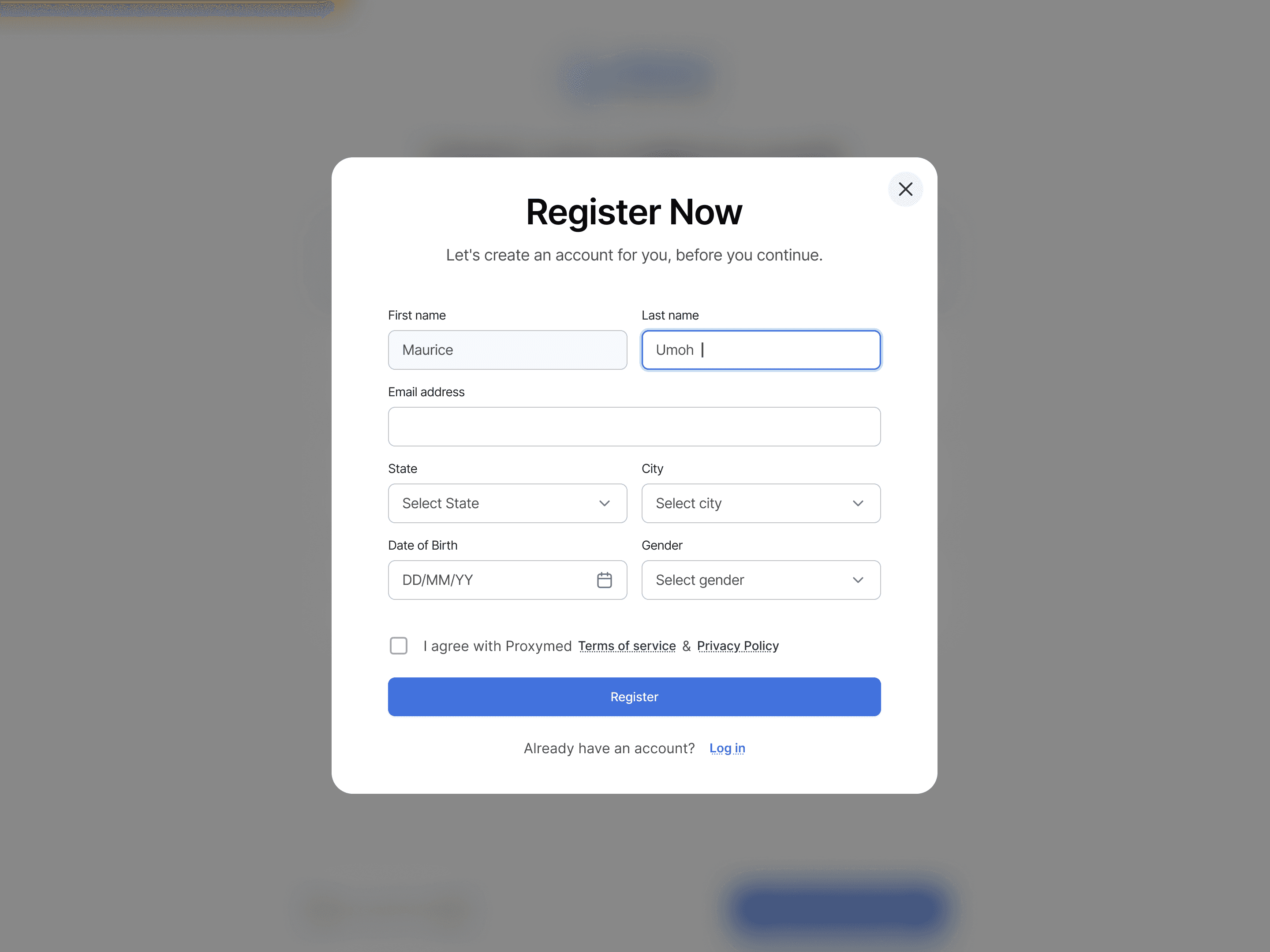
For new patients, I designed a sequential journey that begins with an in-depth questionnaire to understand their needs, followed by consultation scheduling, secure payment, and onboarding into a structured, timeline-based program.
For returning patients, I created a streamlined dashboard that highlights current progress and next steps, with quick-action buttons for common tasks like scheduling follow-ups or requesting medication refills.
Urgent Care Flow
This flow prioritized speed and efficiency, allowing patients with acute needs to quickly describe their symptoms, schedule a consultation, and receive care with minimal friction.
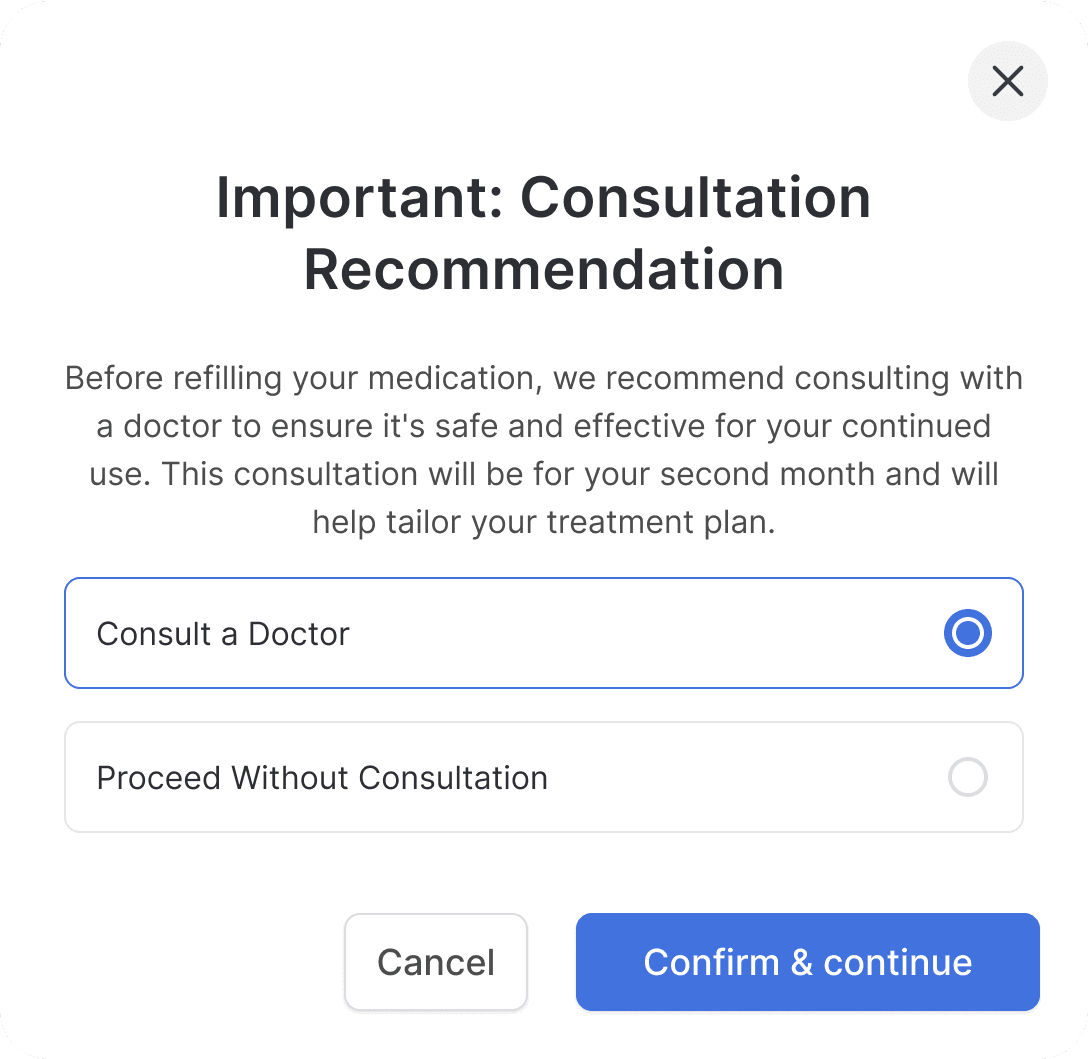
Medication Refill Flow
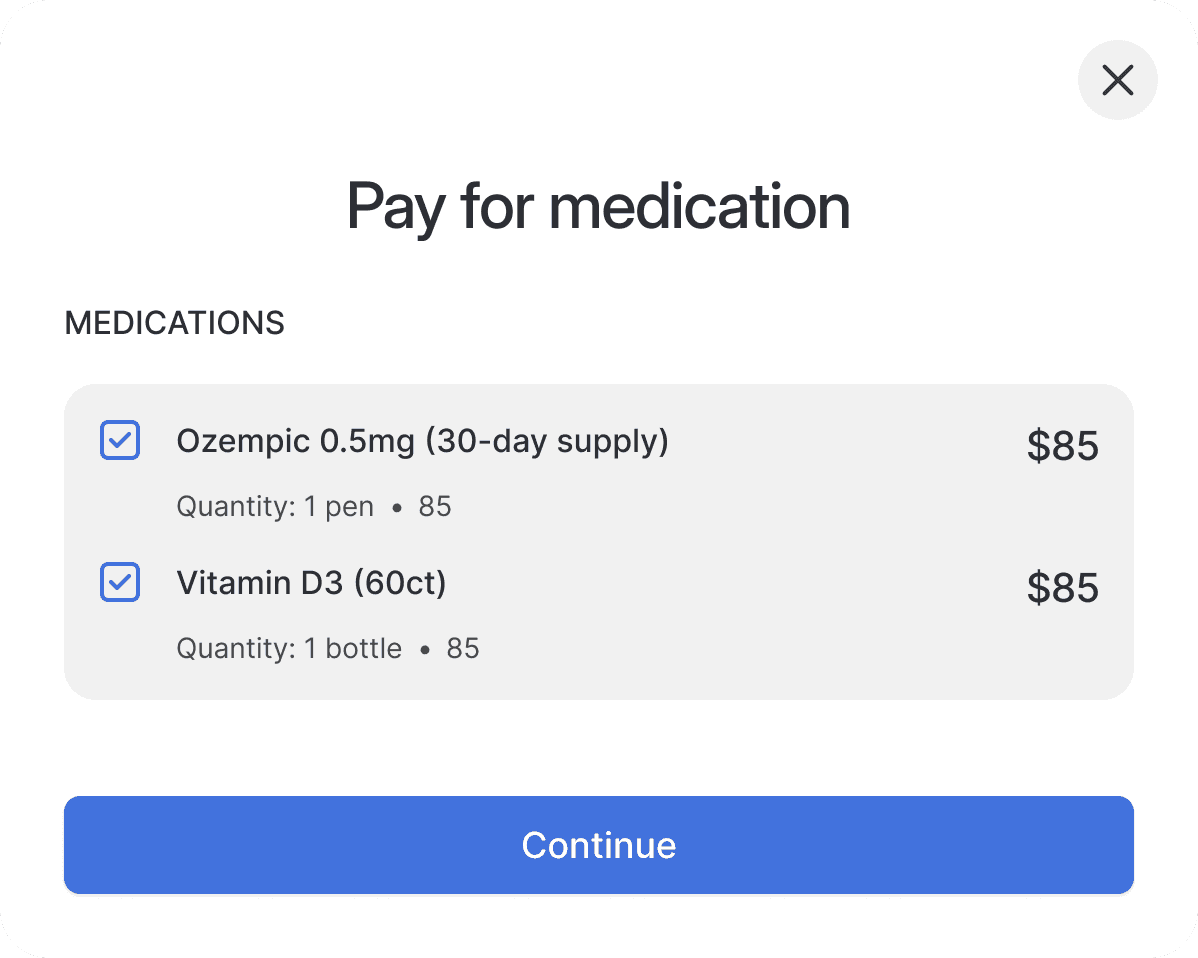
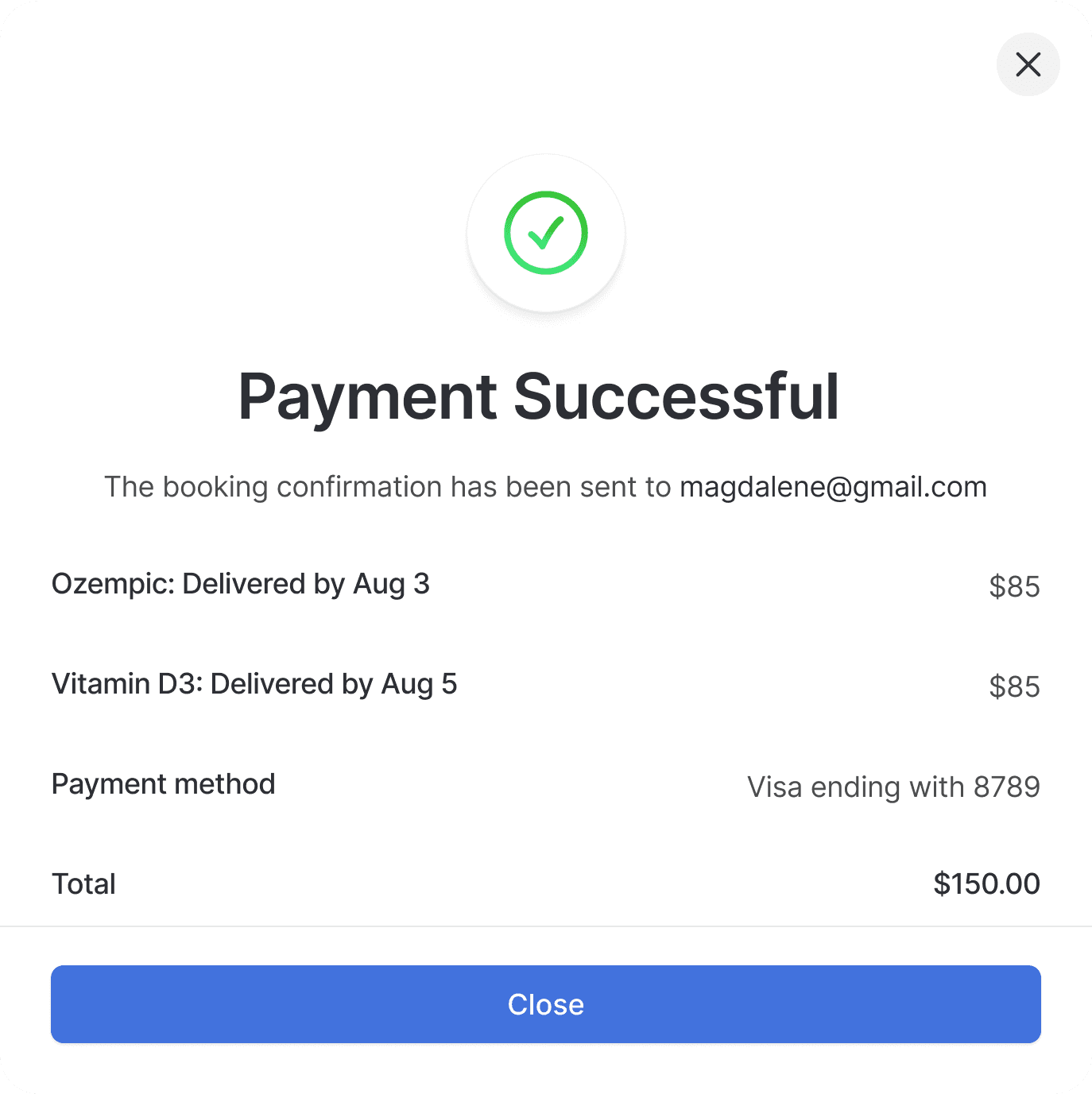
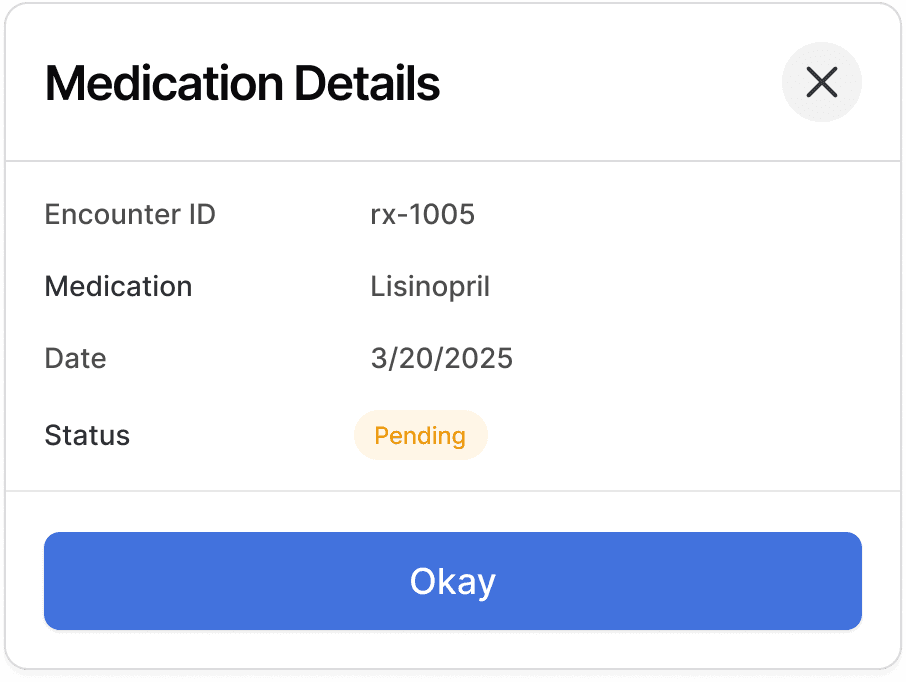
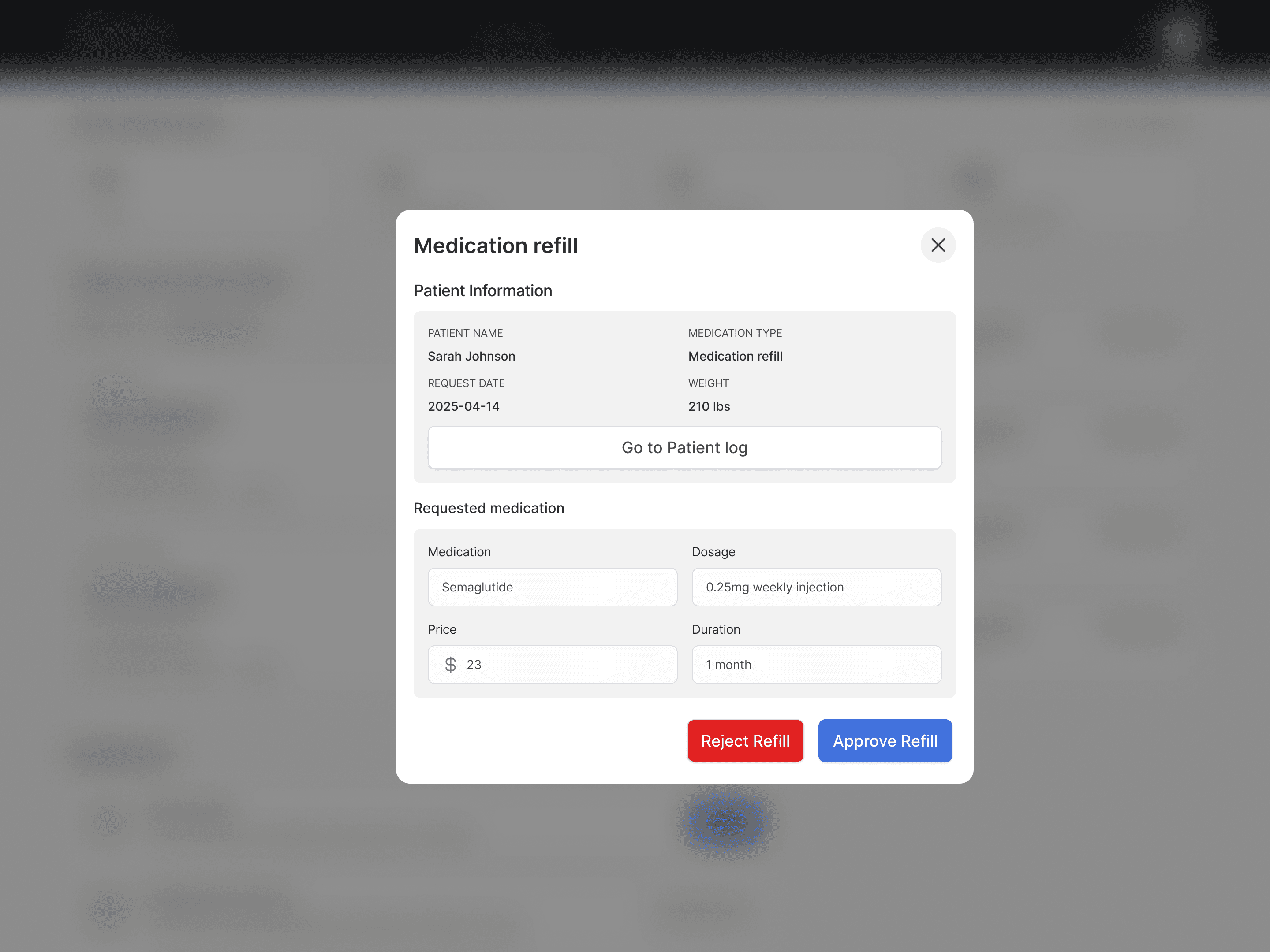
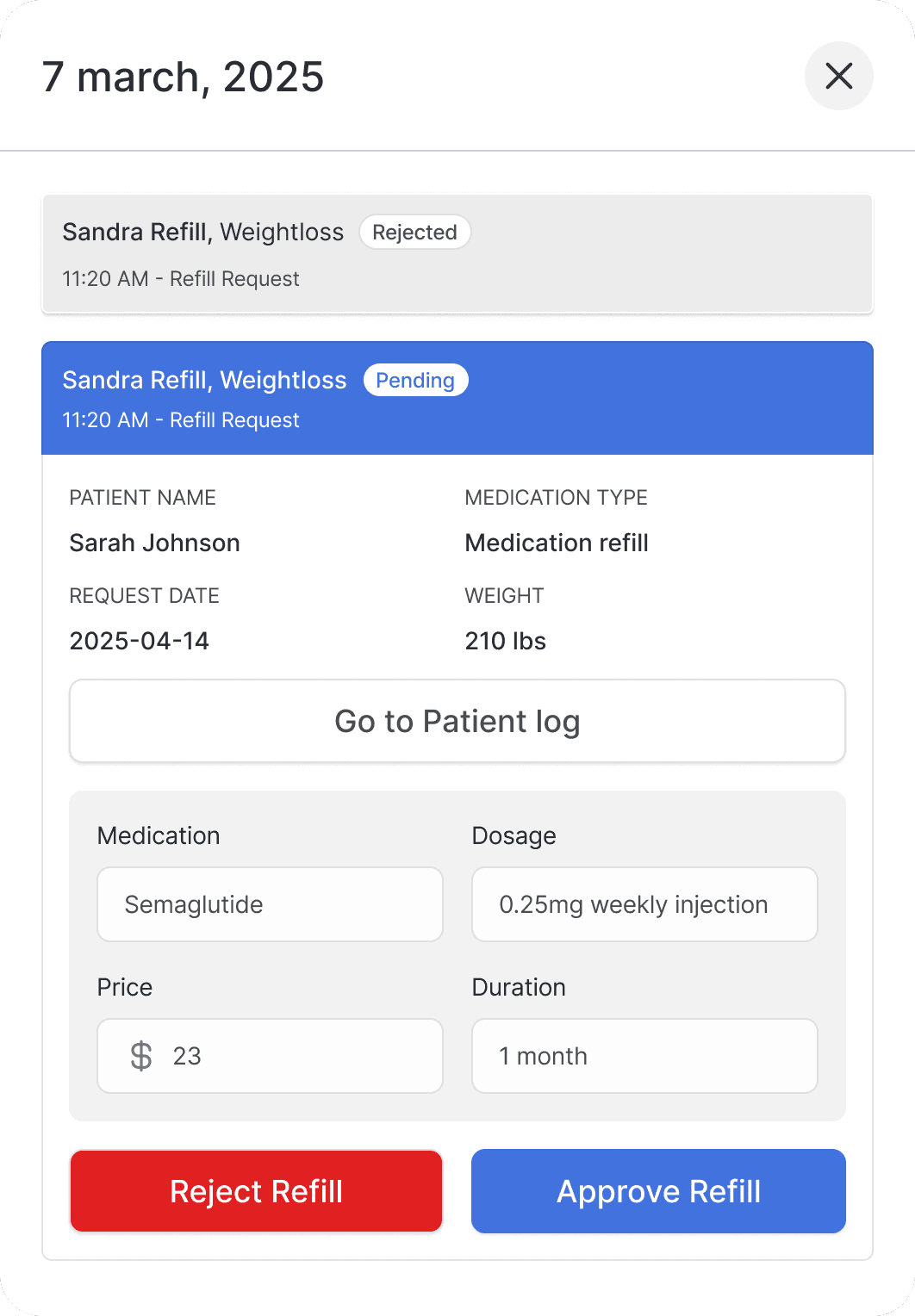
I designed a simple, three-step process for medication management: verification questionnaire, secure payment, and confirmation—all with clear status updates and history tracking.
DESIGN SOLUTIONS
For the weight loss program, I designed a questionnaire that breaks complex medical history collection into manageable sections, with a progress indicator and save functionality to prevent abandonment.
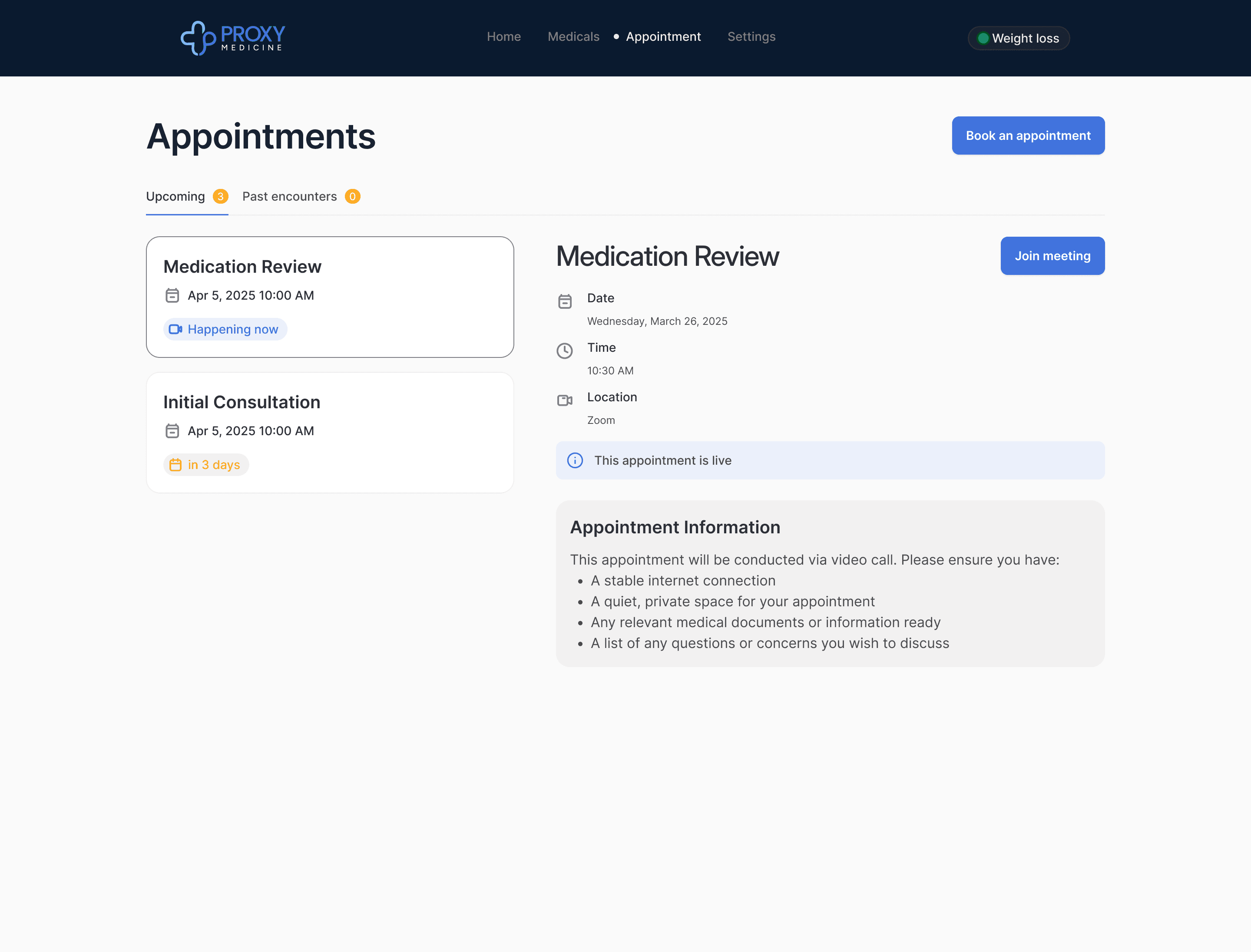
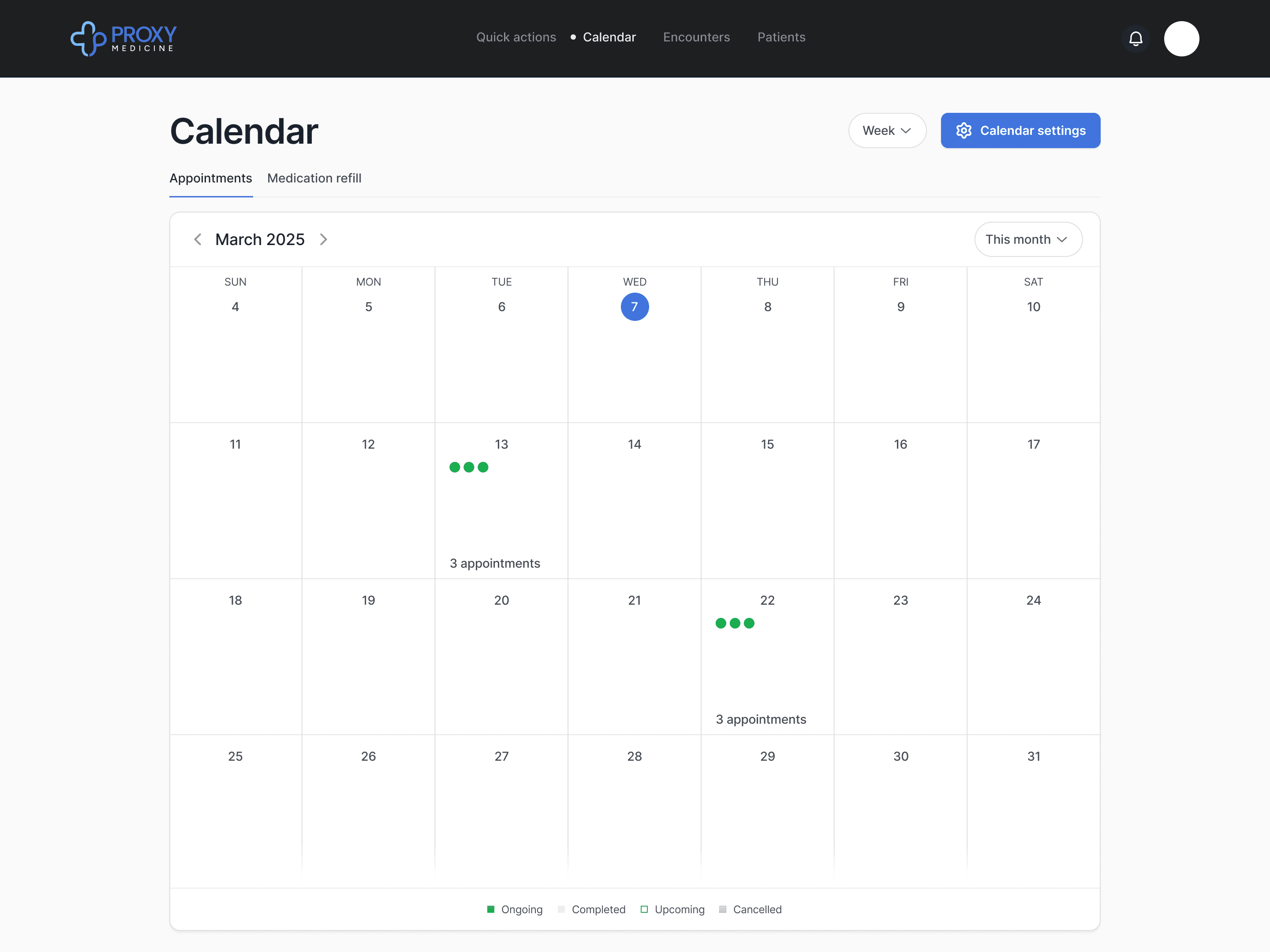
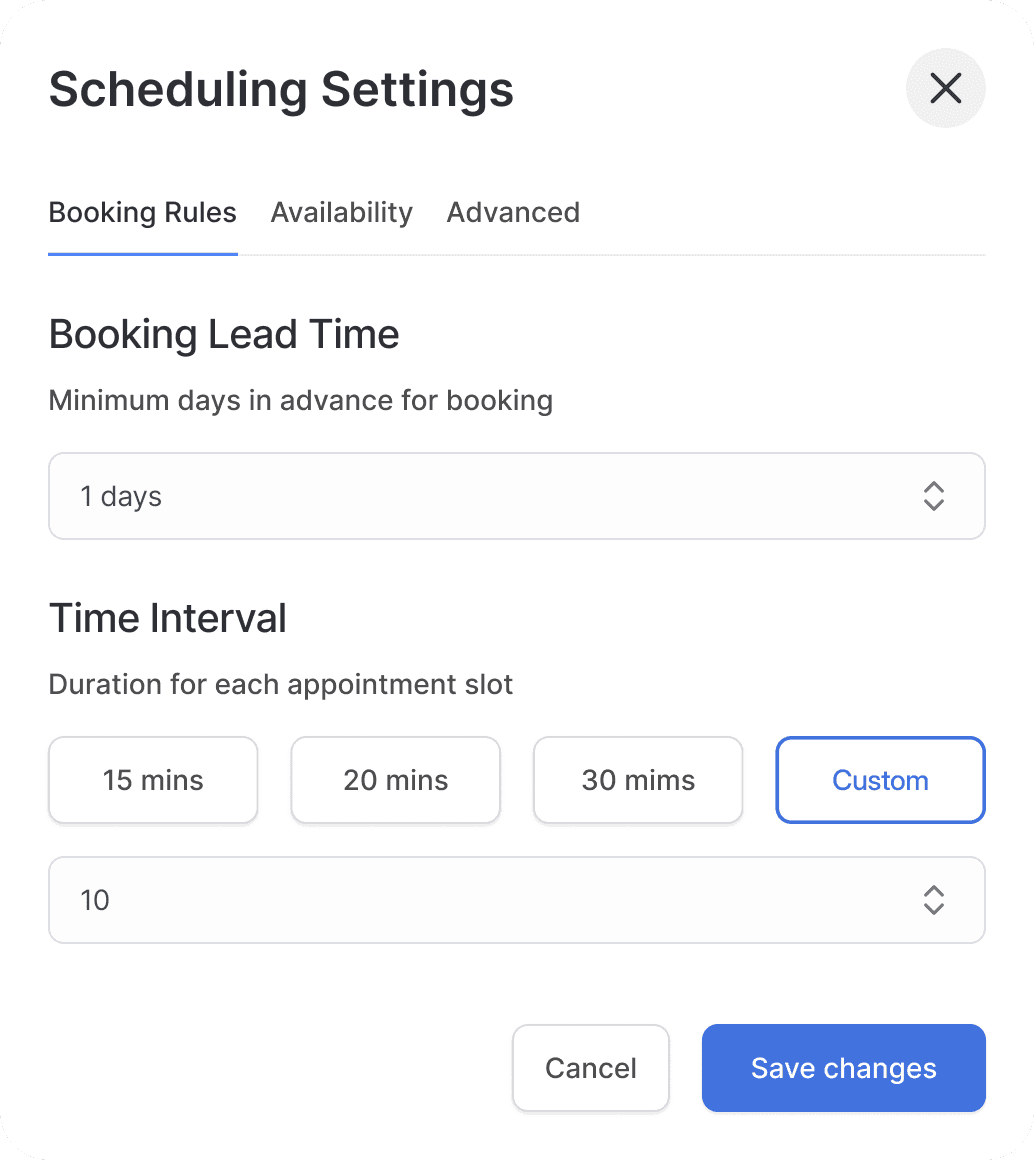
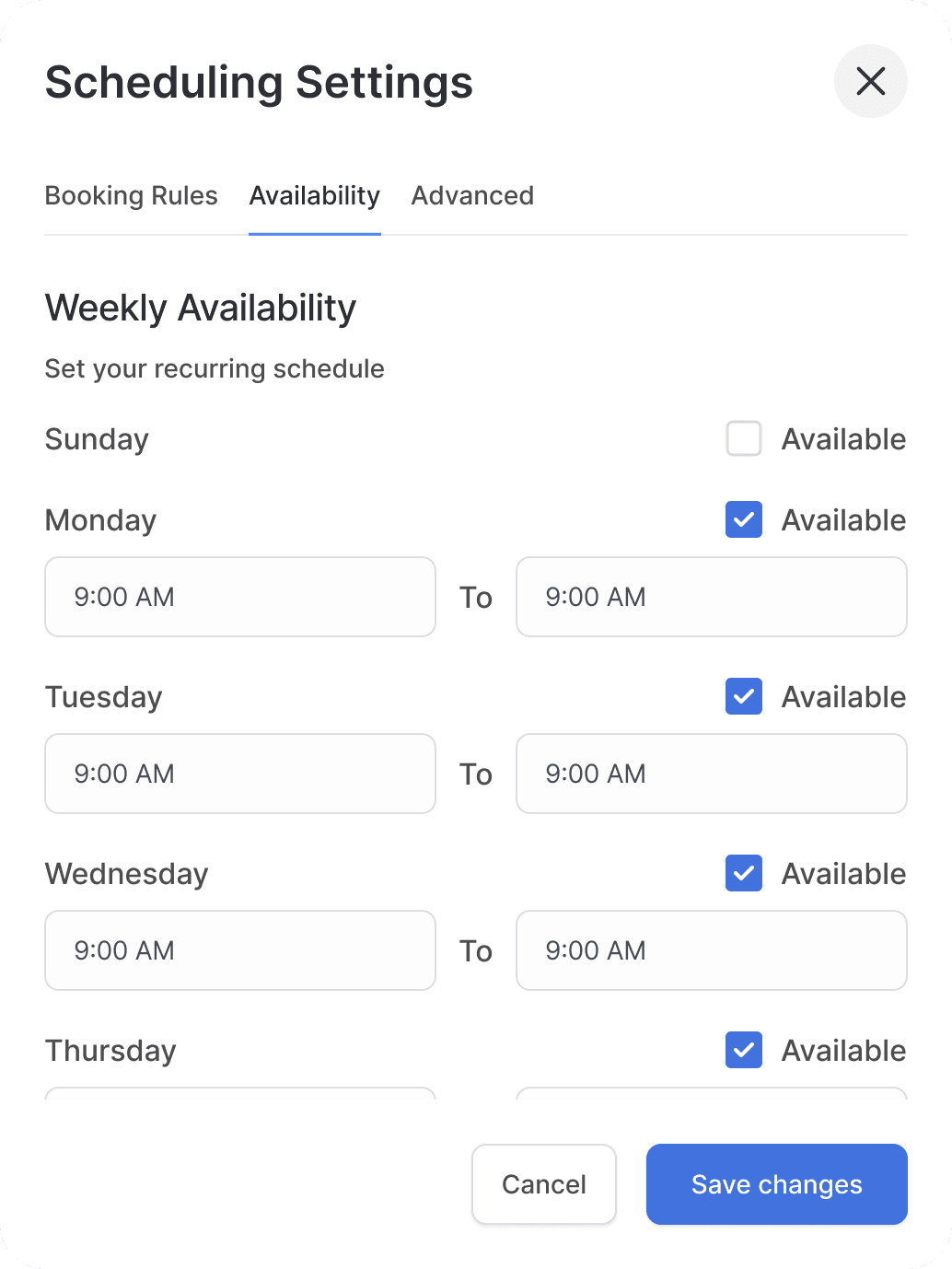
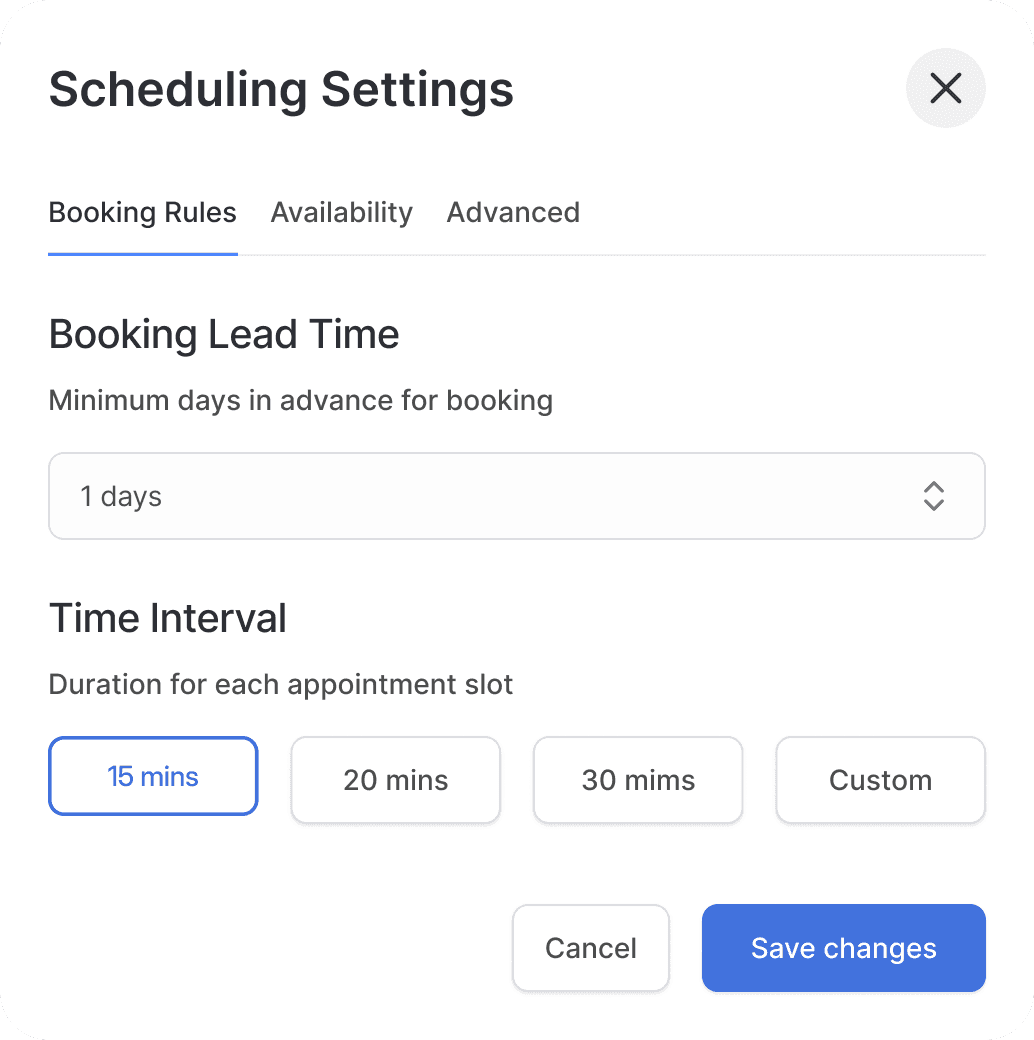
I created an intuitive scheduling interface with clear availability indicators, minimum booking lead times, and seamless integration with payment processing—all while respecting administrator-defined parameters.
For ongoing programs like weight management, I designed a visual timeline that contextualizes the patient's journey, highlighting completed milestones and upcoming actions to maintain engagement.
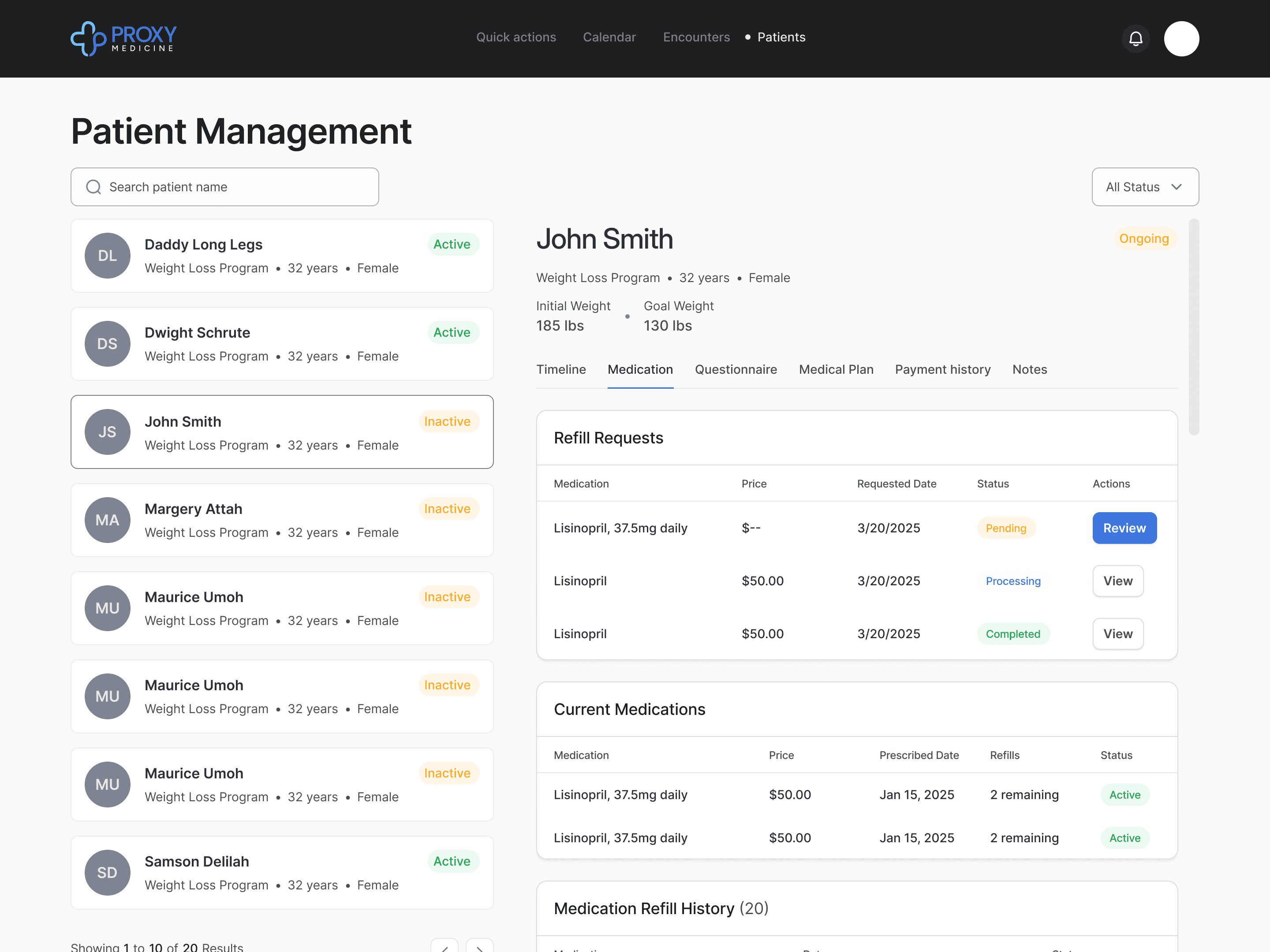
The clinician interface features a unified calendar, detailed encounter views, and communication tools—all with granular permission settings to ensure appropriate access levels for different team members.




PROJECTED BUSINESS IMPACT
Expected Consultation Growth: Streamlined flows are projected to increase completed consultations by 30-40% within the first quarter
Administrative Efficiency: Initial testing shows potential for 35% reduction in time spent on administrative tasks per patient
Estimated Retention Improvement: Based on beta testing, we anticipate weight loss program retention to improve from the current 37% to approximately 60-65%
Scalability: The platform architecture is designed to easily expand from the initial launch states to nationwide coverage